A MEC_SZ 156628 számú projekt a Kulturális és Innovációs Minisztérium Nemzeti Kutatási Fejlesztési és Innovációs Alapból nyújtott támogatásával, a Tudományos Mecenatúra Pályázat MEC_SZ_26 pályázati program finanszírozásában valósul meg.
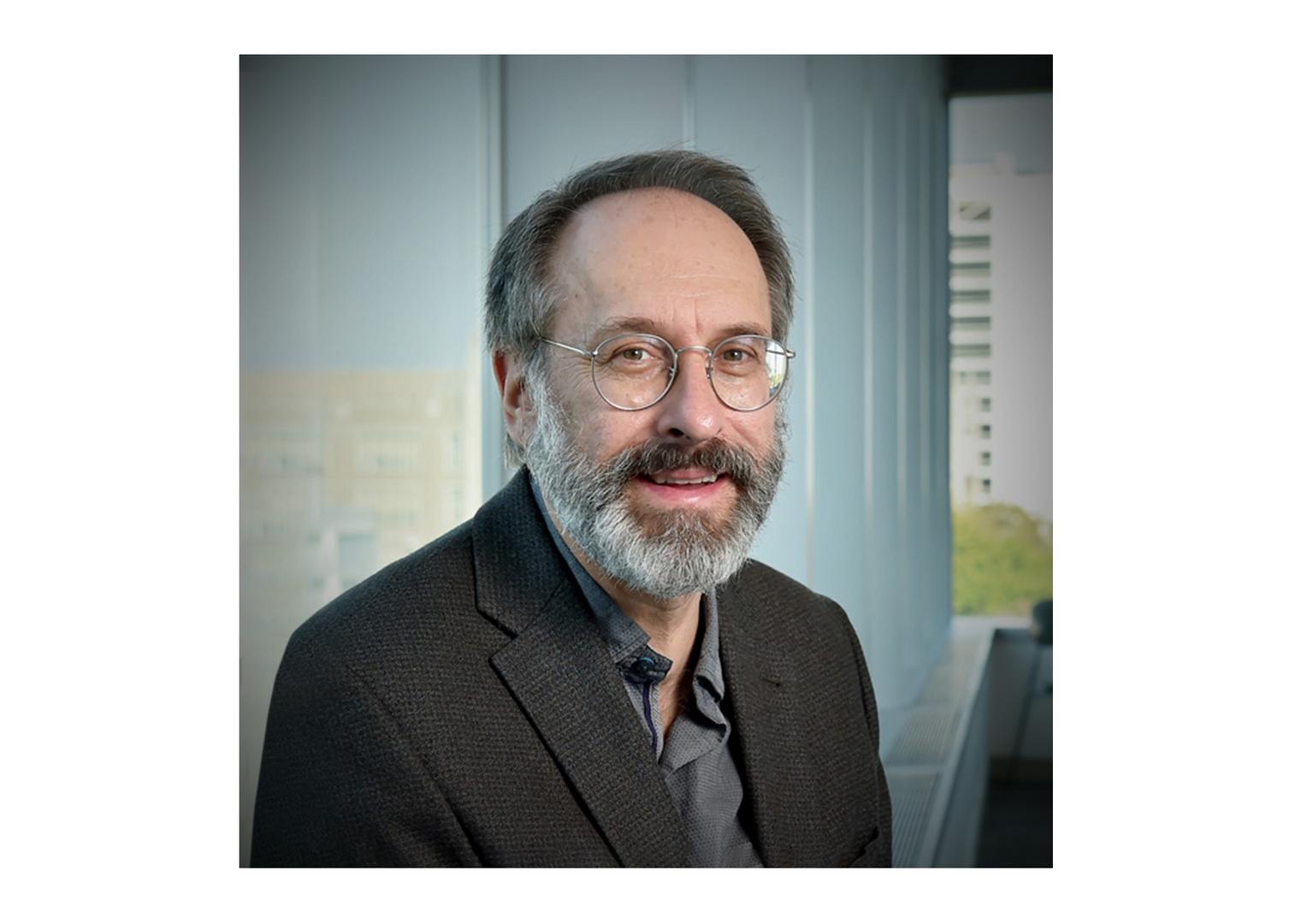
Az IAD Konferencia kiemelt plenáris előadója Charles J. Vörösmarty hidrológus, a New York-i CUNY Advanced Science Research Center Környezettudományi Kezdeményezésének alapító igazgatója lesz. Az angol nyelvű előadás augusztus 10-én 11:15 órától személyesen és online (YouTube Live stream) közvetítésen keresztül egyaránt követhető lesz.
LINK: https://youtube.com/live/33i5qth1Xlc?feature=share
Charles J. Vörösmarty a nemzetközi hidrológiai és környezettudományi kutatások egyik meghatározó alakja. Kutatásai a vízkörforgás, a klímaváltozás és az emberi tevékenység összefüggéseire, valamint a globális vízbiztonság kérdéseire irányulnak. Magyarországhoz is szoros szakmai kapcsolatok fűzik: 2018 óta vesz részt hazai kutatási együttműködésekben, továbbá közreműködik természetalapú, mérnöki, valamint intézményi megoldások integrált alkalmazását vizsgáló projektekben. 2022-ben az Nemzeti Közszolgálati Egyetem tiszteletbeli doktori címet adományozott a szakembernek.
Az IAD Konferencia Plenáris Szekciójában „Sustainable Re-Development: Three Essential Infrastructures for Regional and Global Resiliency” című előadásában a fenntartható fejlődés és a regionális ellenálló képesség összefüggéseit vizsgálja a professzor. A vízbiztonság példáján keresztül arra keresi a választ, hogy miként járulhat hozzá a természetalapú, a mérnöki és az intézményi infrastruktúrák összehangolt alkalmazása a 21. század fenntarthatósági kihívásainak kezeléséhez.
Az előadás absztraktja:
Sustainable re-Development: Three Essential Infrastructures for Regional and Global Resiliency
Charles J. Vörösmarty1
1 CUNY Advanced Science Research Center at the Graduate Center and the Department of Geography and Environmental Science at Hunter College. New York, NY (USA)
Sustainable development depends on creating a resilient planet serving the needs of both humankind and nature. Climate change is but one of an ensemble of growing environmental stressors that will define the future state of human health and economic well-being as well as the sustainability of the biosphere. Water security is another challenge, which demands reliable water resources, yet their traditional management has broadly failed to avoid environmental degradation and contain infrastructure costs. Using water resources as emblematic of other modern sustainability challenges, this talk assesses the global-scale feasibility of combining natural capital with engineering-based (green-gray) approaches to achieve water security in the 21st century, and leads to the conclusion that a third type of infrastructure—human institutions—are an essential part of crating durable solutions. Policies that support blended green-gray-human approaches offer a pathway to future global water security but will require a strategic commitment to preserving natural capital through wise management. Absent such stewardship, the costs of water resource infrastructure and ecosystem services are likely to rise substantially and frustrate efforts to attain universal, sustainable, and resilient water security.